History of the Pointe Shoe in 60 seconds

Posted on Categories ContentTags ,

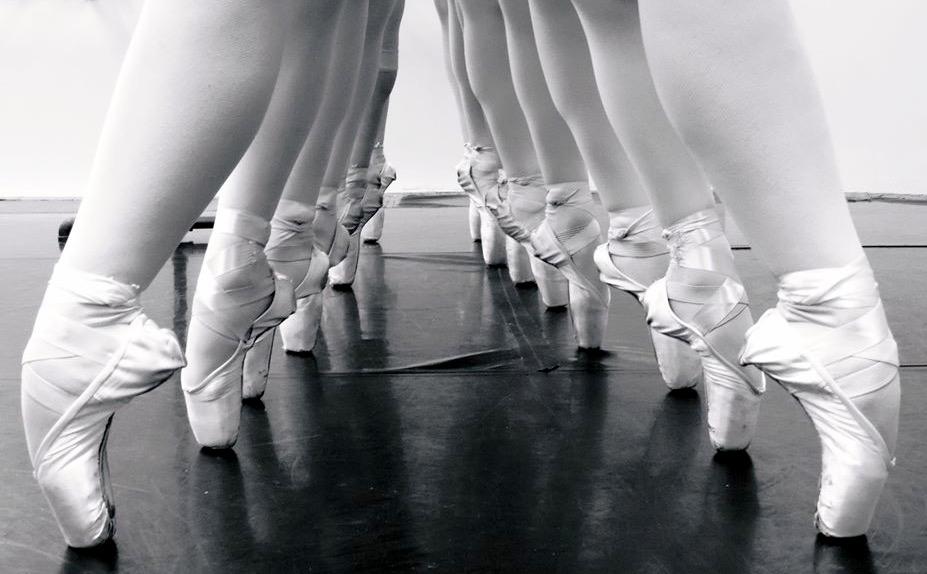
The desire to float like a Sylph across the stage on the tips of their toes is the dream of most ballet students. But where did these shoes – part ethereal magic, part torture device come from?

Here’s pointe shoe history in 60 seconds!

History of the Pointe Shoe in 60 seconds

The desire to float like a Sylph across the stage on the tips of their toes is the dream of most ballet students. But where did these shoes – part ethereal magic, part torture device come from?

Here’s pointe shoe history in 60 seconds!

1730s: Marie Camargo invents the Ballet Slipper
1790s: Charles Didelot’s ‘Flying Machine’ allows dancers to float across the stage on the tips of their toes
1820s–1830s: Marie Taglioni and the Romantic Ballerinas create the art of pointe work by darning soft ballet shoes to give more support
1870s–1890s: Italian Shoes set the Imperial Standard adding newspaper and flour paste to create the box of a pointe shoe
1910: Anna Pavlova and Salvatore Capezio add leather to stiffen the soles and provide more support
1920s–1980s:The shoe again adapts to abstraction and new choreography introduced by 20thC choreographers providing dancers greater support as technical demands increase
1993: Gaynor Minden launches a shoe inspired by the shock-absorption found in athletic footwear, opening the door for other designers to experiment with modern materials to improve shoes’ durability and fit
2020’s: Racial protests like the BLM movement spur dancewear companies on to produce pointe shoes in a range of shades to match diverse skin tones.

Pointe shoes

Want to know more about ballet classes at Simply Ballet?

Pre-Pointe Training at Simply Ballet

Posted on Categories Simply Ballet

Simply Ballet has a tried and tested path to get you on your toes. Our pre-pointe classes are designed to progress students onto pointe in a safe and steady manner.

Pre-Pointe Training at Simply Ballet

The dream of many young dancers is to stand on the tips of their toes in satin pointe shoes.  We aim to make those dreams come true – in a safe and steady manner.

Pre-pointe training is a requirement for any student wishing to progress onto pointe, or to return onto pointe after a prolonged absence.  Regardless of age or experience, the same criteria must be met by all students to ensure a safe transition.

The criteria for commencing pointe work at Simply Ballet is currently;

  • Have completed a minimum standard of RAD Grade 5
  • Be attending classes twice per week on a regular basis
  • Purchase and complete the Perfect Pointe program under the guidance of a Simply Ballet teacher.

The intention of the Perfect Pointe program is to aid students, parents, and dance teachers with a system of assessing and preparing a student for pointe training. Strict criteria take the subjectivity out of the decision and help the teacher transition students onto pointe in the most integrated and responsible manner possible. The “Perfect Pointe Book” helps students learn the detailed assessment techniques and exercises, and understand why some students can perform movements more easily than others as well as how to overcome technical obstacles.

Areas addressed in the program include:

  • Postural control
  • Pelvic stability and alignment
  • Foot and ankle mobility
  • Articulation, strength and control of the foot
  • Turnout control and core stability

Students learn a variety of exercises and techniques in stages and are assessed regularly to see if they are ready to progress to the next level.  Students may progress at different rates, and individual progress is monitored by the teacher.   Most students will complete the program in 9-12 months.

Students are expected to undertake strengthening exercises at home a minimum of 3 times per week.  Using the “Perfect Pointe Book” and the homework guide given by the teacher, students can demonstrate maturity and responsibility for their training – an essential part of their progression onto pointe.  If students do not complete adequate homework, this will generally lead to a delay in progressing through the stages.  All four stages of the course must be completed, in order, before a student can progress onto pointe after completing a final assessment.

What resources are required?

To complete the pre-pointe program students require;

  1. A copy of the Perfect Pointe Book (purchase below)
  2. Pre-Pointe training manual – provided by Simply Ballet
  3. A theraband – provided by Simply Ballet
  4. A tennis ball

Students should have their own log-in to the Perfect Pointe Book website so they can access the videos and extra content available online.

Working through this program is an enjoyable and rewarding process.

If you have any further questions about Pre-Pointe training, please contact us

Ballet dancer on pointe in front of Eiffel Tower

Want to try a class at Simply Ballet?

Book a no-obligation trial class

We want you to help you find the perfect class.

  1. Select the type of class you want to try
  2. Book online
  3. Come and try Simply Ballet for yourself!

Click here to book your trial class now

Learning Pointe as an Adult

Posted on Categories Simply Ballet

Is it possible to learn pointe work as an adult ballet student? Simply Ballet has a tried and tested path to get you on your toes.

Learning Pointe as an Adult

The dream of many young dancers is to stand on the tips of their toes in satin pointe shoes.  We aim to make those dreams come true – even for adults, in a safe and steady manner.

Pre-pointe training is a requirement for any student wishing to progress onto pointe, or to return onto pointe after a prolonged absence.  Regardless of age, the same criteria must be met by all students to ensure a safe transition.

The criteria for pointe work at Simply Ballet is currently;

  • Have completed a minimum standard of RAD Grade 5
  • Be attending classes twice per week on a regular basis
  • Purchase and complete the Perfect Pointe Book under the guidance of a Simply Ballet teacher.

The intention of the Perfect Pointe program is to aid students, parents, and dance teachers with a system of assessing and preparing a student for pointe training. Strict criteria take the subjectivity out of the decision and help the teacher transition students onto pointe in the most integrated and responsible manner possible. The “Perfect Pointe Book” helps students learn the detailed assessment techniques and exercises, and understand why some students can perform movements more easily than others as well as how to overcome technical obstacles.

Areas addressed in the pre-pointe program include:

  • Postural control
  • Pelvic stability and alignment
  • Foot and ankle mobility
  • Articulation, strength and control of the foot
  • Turnout control and core stability

Students learn a variety of exercises and techniques in stages and are assessed regularly to see if they are ready to progress to the next level.  Students may progress at different rates, and individual progress is monitored by your teacher.   Most students will complete the program in 9-12 months.

Students are expected to undertake strengthening exercises at home a minimum of 3 times per week.  Using the “Perfect Pointe Book” and the homework guide given by the teacher, students can demonstrate maturity and responsibility for their training – an essential part of their progression onto pointe.  If students do not complete adequate homework, this will generally lead to a delay in progressing through the stages.  All four stages of the course must be completed, in order, before a student can progress onto pointe after completing a final assessment.

Working through this program is an enjoyable and rewarding process, and we look forward to seeing you in class soon.

If you have any further questions about Pre-Pointe training, please contact us

Book A Trial Class

Ballet dancer on pointe in front of Eiffel Tower

Want to try a class at Simply Ballet?

Book a no-obligation trial class

We want you to help you find the perfect class.

  1. Select the type of class you want to try
  2. Book online
  3. Come and try Simply Ballet for yourself!

Click here to book your trial class now

Simply Ballet Tap Classes

Posted on Categories Simply Ballet News

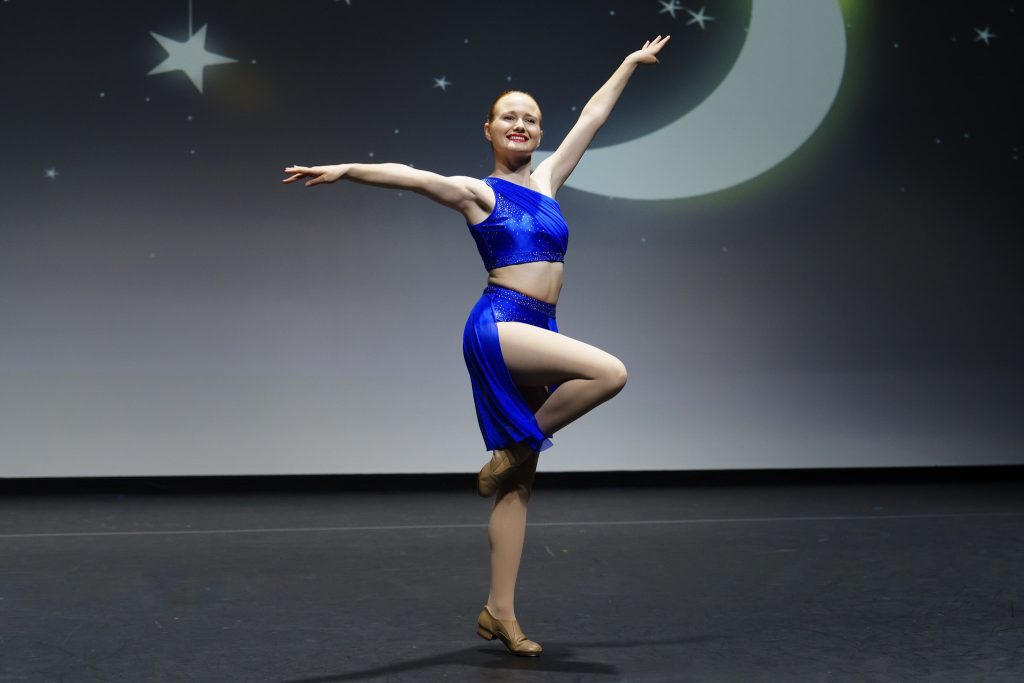
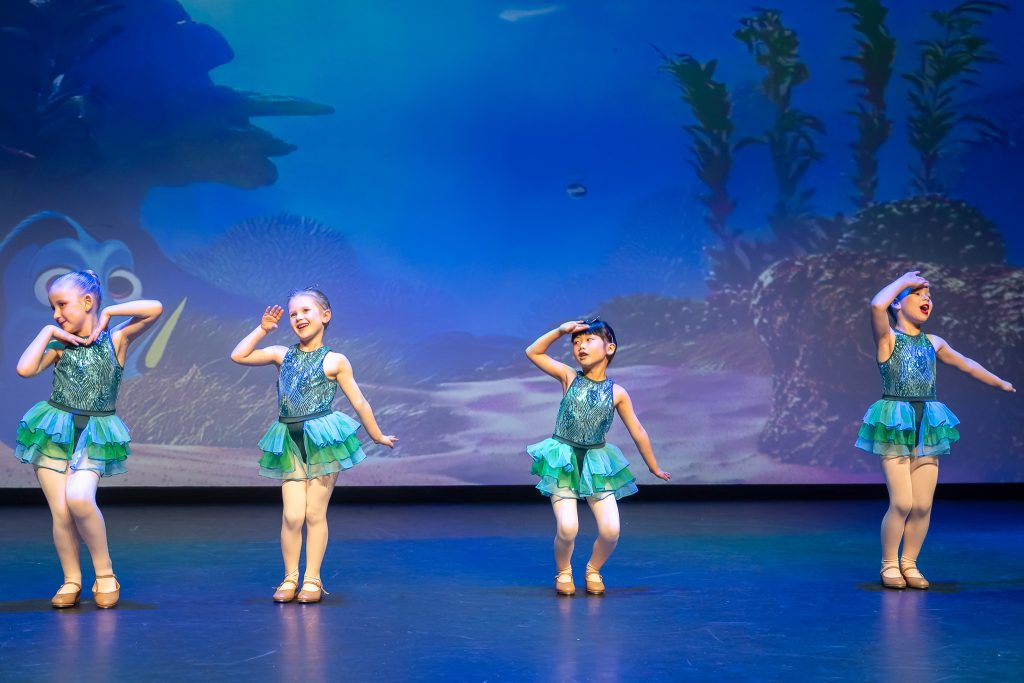
Do you hear the sound of toes a-tapin’? Simply Ballet is tickled-pink to tout tap for tiny (and taller!) tappers!

Tap at Simply Ballet

Do you hear the sound of toes a-tapin’? 

Simply Ballet is tickled-pink to tout tap for tiny (and taller!) tappers!

We don’t just teach ballet, we have a great range of options for Tap too. 

If you’re a seasoned tapper, or if you’ve never tried tap before we would love you to come and give it a go.

Tap classes help build musicality, coordination and confidence while making wonderful friendships along the way. Whether your child is energetic, musical or just curious to try something new, we’d love to welcome them into our dance family.

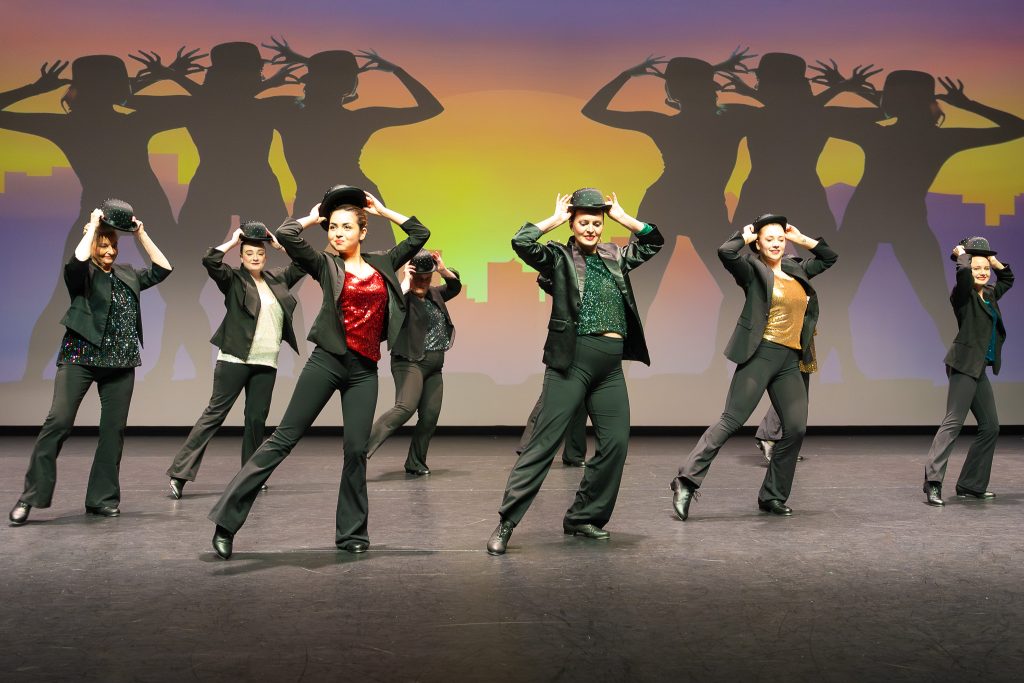
We also have Beginner Adult Tap classes, as well as Intermediate and Advanced levels.

Tap Classes Available

50% OFF Tap Classes Offer!

🎁 Special Offer 🎁

Book a Preschool, Graded Division or Adult Tap trial class in Tap during February and get half price Tap class fees for that month*

…you could save up to $82!

Stop procrastinating and start Paradiddling! (That’s a tap dance step, did you know?)

Whether you’ve never tapped before or want to get back into it, book a trial class today so that you can try before you buy:

Class Age Day Time
Tiny Tappers
Age 5 – 7
Friday
5:00pm-5:30pm
Junior Tap
Age 8 – 12
Friday
5:30pm-6:00pm
Adult Tap – Beginner
18+
Friday
6:45pm-7:30pm
Adult Tap – Inter/Advanced
18+
Friday
6:00pm-6:45pm
* Looking for Tap between ages 12 and 18? Contact us for more details.  Introductory class offer for new tap students only.    Simply Ballet Enrolment T&C’s apply.  

Come and try a Tap Class

We would love to have you come and try Tap at Simply Ballet.

Book a no-obligation Introductory Tap class for your level below.

Simply Ballet’s regular Terms and Conditions of enrolment apply to introductory classes.  See our full policy here.

Looking for ballet classes?

Simply Ballet History – The Tutu

Posted on Categories ContentTags ,

“What is the history of this strange protruding skirt which allegedly gets its name from the French children’s word cucu, meaning “bottom”?” Where did the iconic ballet tutu come from, and how did evolve to what it is now?

Simply Ballet History

The Tutu

“What is the history of this strange protruding skirt which allegedly gets its name from the French children’s word cucu, meaning “bottom”?” Where did the iconic ballet tutu come from, and how did evolve to what it is now?

From Romantic to powder-puff, mid-century to modern the tutu has become an icon of ballet.

The early 19th Century saw the first developments as skirts were shortened and made of lighter materials to match the new ‘Romantic’ period of ballet and show off innovative new footwork.  By the end of the Century, skirts were above the knee as the technical demands on the dancer intensified.

What we generally recognise as the platter or plate tutu came to the fore in the early 20th Century as new materials became available and styles in general fashions changed (roaring 20’s anyone?)

Who thought the tutu could get even shorter? Well, by the mid 20th Century George Balanchine decided the powder-puff style was the way to go and Europe echoed with short, well structured forms that showed off the dancers legs and arms. 

By the time we were entering the 21st Century tutus were being made of anything and everything such as William Forsythe’s The Vertiginous Thrill of Exactitude and Stanton Welch’s Divergence.  Where will we go from here?

Main picture: Carlotta Brianza, the original Princess Aurora in Marius Petipa’s The Sleeping Beauty at the Mariinsky Theater in 1890. Courtesy the Petipa Society.

Month-to-month-PLUS

Posted on Categories Simply Ballet News
Ballet shoes and headline Month to Month Plus

Month-to-Month PLUS

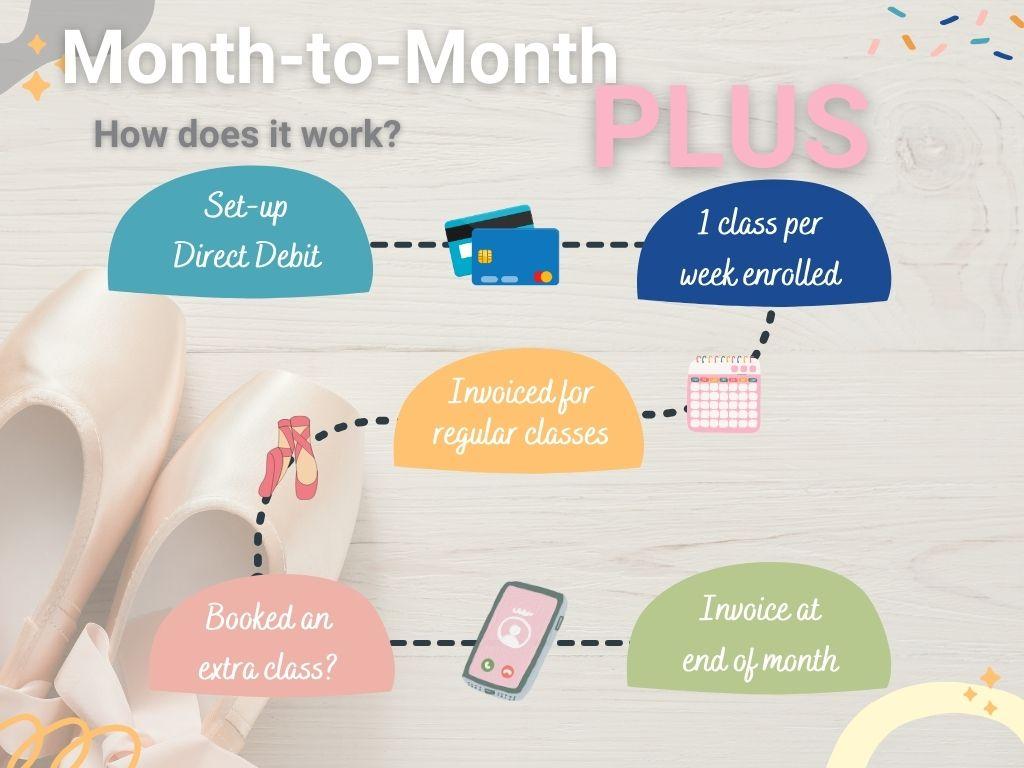
We’re always trying to help you get more ballet into your life – so we’ve introduced Month-to-Month PLUS (M2M+)

Designed to give you more flexibility with your booking options, or for those times when you just need an extra class.  M2M+ allows you to book extra individual classes on top of your existing Month-to-Month booking, without changing your regular enrolment.

For example, if you’re normally enrolled for a ballet class, and decide one week you would like to stay for PBT – you can book the extra class through your customer portal as a one-off and attend.  Or, you could add an extra ballet class on those weeks you’re free – whatever suits!

At the end of the month you’ll be invoiced for any extra classes you booked.

How does it work?

  • You have direct debit authorisation setup on your account
  • You have at least 1 x ongoing weekly class on month-to-month enrolment
  • Book any extra classes you like through your customer portal that month
  • At the end of the month, you’ll receive another invoice for all extra classes you have booked, this invoice is due 14 days later. If you take no extra classes, there’s no extra invoices.

M2M+ doesn’t affect any make-up classes you have available, and you’ll still save more by booking multiple classes upfront with a bigger discount.  Extra class bookings are also subject to spaces being available.

You can start right now – just log on to your customer portal and set-up direct debit (if you haven’t already) and get dancing.

If you have any questions or need help setting up your direct debit just contact us

Terms and Conditions Month-to-Month-PLUS (M2M+)

  • These terms and conditions are in addition to your already accepted Terms and Conditions of Enrolment.
  • M2M+ classes can only be booked by customers with a valid direct debit authorisation, and no overdue invoices on their account.
  • Students must have a minimum of one (1) current, ongoing month-to-month enrolment in a class to access M2M+
  • M2M+ bookings are subject to class availability. Students with a permanent Month-to-Month booking or students on Class Pack will be given priority over M2M+ bookings.
  • Any booking not satisfying the M2M+ booking criteria will be cancelled.
  • Classes will be invoiced at the total rate of hours booked for that day/week starting from a base of 0 hours. For example, if you have 1 x 75minute class as your regular enrolment, and book an extra 75 minute class that week, you will be charged the fee schedule rate for 75 minutes for that extra class, not a total of 2.5 hours for that week.

FAQ's

You can log on to your portal and select My Account > Payment Details and set-up your direct debit with a bank account or credit card.  Alternatively, contact us and we’ll send you a direct link to do the setup.

There’s no need! Just book whatever classes you want to attend through your customer portal, and your class pack will keep track of your attendance.

Not a problem, just contact us 14 days before your next billing cycle to make any changes.

You’ll receive a make-up class for any missed classes, just like a regular enrolment.  There’s no credit or refunds for missed lessons, just the same as a regular enrolment.

Absolutely! M2M+ is designed for those times when you’ve got no make-ups left, but you want to come for an extra class.  Make-ups can be booked as usual through your customer portal.

Extra classes will be charged as per the fee schedule for how many minutes/hours you book that day.  For example, one extra 75 minute class will be billed at the rate for 75 minutes per week, or a 30 min class at the rate for 30 mins per week.

For example, if you have 1 x 75 minute class as your regular enrolment, and book an extra 75 minute class that week, you will be charged the fee schedule rate for 75 minutes for that extra class, not a total of 2.5 hours for that week.

Permanent Month-to-Month bookings and students on Class Packs will be given priority over M2M+ bookings.  You’ll need to contact us to see if there are any absences or unexpected spots become available.  Your booking wont be confirmed until you hear back from us.

You can mark yourself as absent through your customer portal and receive a make-up class, but if you need to unenroll you need to contact Simply Ballet 14 days before your next billing cycle.

Your Customer Portal

Your customer portal is the go-to place to find most administration things you need at Simply Ballet.  It’s your own personal log-in where you can update your details, see your invoices, notify us of an absence, or book a make-up class.

You can access your customer portal here

The first time you log-in you will need to set a password

How to book an Open Division Class or M2M+ booking

If you have purchased a class card and wish to book in for a class, or are doing a M2M+ booking you can do so through your Customer Portal

  1. Log in to your portal
  2. Click on Classes > Add Enrollments
  3. Select the student you wish to enroll using the top right hand corner drop down menu, and click ‘OK’
  4. Find the date or class you wish to attend and click Add
  5. Select the date/time you wish to take your class and follow the prompts to checkout
Watch the video below for step-by-step instructions

What else can I do in my customer portal?

  • Update your personal details and emergency contact
  • Update your customer and students details
  • Update your direct debit details
  • View past and future invoices
  • Enrol in classes
  • Book a make-up class
  • Notify us of your absence
  • Change you notification settings

and more!

Have questions? Just contact us and we’re happy to help.

Simply Ballet History – Adeline Genee

Posted on Categories ContentTags ,

The dance world’s first Dame – Dame Adeline Genée was not only a success onstage, but also a champion of dance training. As the first President of the Royal Academy of Dance, she left a legacy that has lasted over 100 years.

Simply Ballet History

Dance's First Dame - Adeline Genée

The dance world’s first Dame – Dame Adeline Genée was not only a success onstage, but also a champion of dance training. As the first President of the Royal Academy of Dance, she left a legacy that has lasted over 100 years.

Born in Denmark in 1878, her initial training and performing came from her uncle who had a small touring dance company. After professional success onstage in the Royal Danish Ballet, she danced in Germany, London, and North America.

In 1913, Genée visited Australia, dancing in Sydney and Melbourne in her most famous role of Swanila in Coppelia. In 1916 she returned to tour with JC William’s company at a time when ballet was just gaining traction in the new Land Down Under.

As Genée’s stage career was winding down, her next project was just beginning. After lamenting the state of dance training, a group of influential and knowledgeable former ballerinas came together to form a association designed to lift the quality of ballet teaching. Genée, along with Phyllis Bedells, Lucia Cormani, Edouard Espinosa, Tamara Karsavina formed the Association of Operatic Dancing in 1920, of which Genée was named President. The organisation, which later became the Royal Academy of Dance currently trains dancers and teachers in over 85 countries around the world. Having worked to standardise, codify, and develop training methods, she was named a Dame of the British Empire in 1950. Her retirement from the RAD in 1954 passed the baton to another influential English Ballerina – Margot Fonteyn.

Adeline Genée died in 1970, having made the ballet world a better place – for which we are all grateful.

Simply Ballet History – The Father of Australian Ballet Edward Borovansky

Posted on Categories ContentTags ,

Sometimes known as the ‘father of Australian Ballet’ It’s often said he started the first Australian ballet company – but that’s not quite true… That was Helen Kirosova.

Edouard, or Edward Borovansky had an enormous influence on the development of ballet in Australia.

Simply Ballet History

The Father of Australian Ballet - Edouard Borovansky

Edouard Borovansky (1902-1959)

Sometimes known as the ‘father of Australian Ballet’ It’s often said he started the first Australian ballet company – but that’s not quite true… That was Helen Kirosova. Edouard, or Edward Borovansky had an enormous influence on the development of ballet in Australia.

Edouward Borovansky and his wife Xenia first came to Australia from Czechoslovakia in 1929 with Anna Pavlova’s touring company. It was a false start though, as they returned to Europe where Edouard eventually joined the Ballets Russe de Monte Carlo. They returned to Australia in 1938 with the Covent Garden Russian Ballet, and the couple decided to stay as war loomed in Europe.

Starting a small school in Melbourne with Eunice Weston and his wife Xenia teaching – within a year they had enough students to start a small ballet company. The company’s local success eventually attracted financial backing from touring company J C Williams whose support meant the now named Borovansky Australian Ballet Company could present established repertoire, and new choreography by Borovansky himself.

As the company grew, it attracted more Australian dancers. Local stars such as Martin Rubenstein (eventually an RAD Examiner), Kathleen Gorman (later a renowned teacher), Garth Welch, Marilyn Jones (stars of the later formed Australian Ballet Company) were all part of the company.

In 1948 the company folded due to lack of funds – but Borovansky was not deterred. Reestablishing in 1951, a glorious period followed including an appearance from Margot Fonteyn and Michael Somes in 1957, and a string of uniquely Australian choreographic works from Borovansky himself.

Sadly, in 1959 Borovansky died and the Borovansky Ballet passed into the hands of Dame Peggy vaan Praugh for 3 years until JC Williamson disbanded the company in 1961 – not without good reason though. A grant from the Australian Elizabethan Theatre Trust, designed to lead to the establishment of the Australian Ballet Company was received, and as they say – the rest is history!

Ballet for Seniors

Posted on Categories Simply Ballet News

We all know we should exercise – but finding exercise as an older person that fills you with joy is a tough ask at times. That’s where ballet for seniors can help.

Benefits of Ballet Based Exercise for Older Learners

Seniors doing ballet class

As we age, exercise can feel more difficult to fit into our lives.  We think our bodies don’t work quite as well as they used to, the twinges seem more twingier, and those muscles seem a little bit stiffer than they used to…

We all know we should exercise – but finding exercise as an older person that fills you with joy is a tough ask at times.

That’s where ballet can help.

Recent research from The Queensland University of Technology researched ballet classes for seniors and found that participants in ballet classes “experienced higher energy levels, greater flexibility, improved posture, and an enhanced sense of achievement.”

But the advantages aren’t just physical “They also felt happier and enjoyed a sense of community and friendship… ballet participation may contribute to positive outcomes across various health and wellbeing categories and promotes a general feeling of wellbeing.”

Ballet classes can inspire us with the beautiful movement and music and help maintain cognitive function.  A study published in Psychology Today found “The holding of the pattern, taking in that information and then getting yourself going with the music, and even remembering what’s the first step” (p. 4) required particular concentration.

Plus there is a social side to learning to dance. A study titled Dancing while Aging found seniors learning ballet “improved their physical and mental wellness, helping them have a more positive experience of age-related changes. Results showed that most women regard ballet as a very social activity”

So, what are you waiting for?  It’s time to start dancing.

Simply Ballet’s Silver Swans classes are designed especially for older learners.  Although targeted at those aged over 55, there is no upper or lower age limit to be a Silver Swan

Ballet classes can help you;

  • Build friendships and connections
  • Improve your health and well being
  • Keep you active
  • Express your creativity
  • Move to beautiful music
  • Get you out of the house
Silver Swans Logo

Silver Swans classes run Tuesday morning 10:15-11:30am and we would love you to join us. 

Simply book a trial class online here or contact us with your preferred date and your details.

It’s never too late to start improving your wellbeing.  Join us for a class now.

Meet the Royal Academy of Dance Silver Swans

Simply Ballet is an RAD registered school located in Magill, South Australia.

Trial Class Information (PS-GD)

Posted on Categories Hidden

Thank you for booking a trial class at Simply Ballet

You should have received a confirmation email for your booking.  (If you can’t find it – please check your spam folder).  This will have your studio location, class date, time and level.

Here’s everything you need to know before coming to your trial class

Ballet students in blue leotards standing in a pose smiling

Finding the Studio

Please check your booking to confirm your studio location. Simply Ballet runs classes at two locations. Our main studio and most classes are held at King George Hall, 4A Koongarra Court, Magill 5072. Our other location is the Magill Senior Citizens Hall, 76 St Bernards Rd, Magill SA 5072

There is free parking available onsite at both locations, please aim to get to the studio around 10 mins before the start of your class.

You might want to take a moment to take your child to the toilet before class begins.  You can also help them put on their dance shoes (if you have some). When it’s time for class to start, your teacher will come and collect your child from the waiting room.  They should take their bag into the dance studio with them. 

If your child is nervous or has trouble settling, you may come in to the studio with them to begin.  Most children are soon absorbed in the excitement of dancing with their new friends, and you can return to the dressing room to wait.

While your child is in class we can answer any questions you may have, and we can chat through things like Sports Vouchers, Uniform and class options.  After class, your child will be returned to the dress room to greet you and tell you all about the fun they had!  You’re welcome to pick up a colouring sheet to take home with you too.

What should my child wear?

If your child already has dancewear, whatever coloured leotard and tights/socks you already have is fine.  

If your child doesn’t have any dancewear – wear clothes that will allow their arms and legs to move freely and doesn’t cover their feet such as; 

  • Shorts, Leggings, or footless tights
  • Fitted T-shirt or singlet
  • Cotton socks (not synthetic, as they are generally too slippery)

Ballet Shoes are available to purchase at the studio, but cotton socks are perfectly fine for your trial class. 

Hair

Hair should be be secured in a way that it will not move during class, especially during bending or turning movements.  This applies for both male and female students.  A ponytail is usually not sufficient for this so you may want to consider a bun, a braid with the end pinned up, or another style. 

If you don’t know how to do a ballet bun, that’s ok – wrap a ponytail around its own elastic a few times and secure with some bobby pins or another elastic.

What if my child cries, runs around, or is nervous?

Rest assured, our teachers are trained and experienced in dealing with this.  In most instances the teacher will be able to re-engage your child quickly with an exciting activity.  We ask that you avoid trying to intervene as it can disrupt other students.  If we are not able to settle your child, we will bring them out to you or an assistant will sit quietly with them at the side of the room.  Sometimes it can take a week or two for some students to feel comfortable – this is normal for ages 6 and under.

Is there anything else I need to bring?

If your child’s class is 45 minutes or longer, we suggest they have a small water bottle.  In hot weather students are required to have their own drink bottle as per our hot weather policy.  In 30 minute classes a drink bottle is generally not needed.

Coughs, Colds, and COVID

We ask that you or your child do not attend if you are unwell for any reason.  Just get in contact to reschedule your trial class.

Simply Ballet is a COVID-safe environment and at times has students in class who may be vulnerable to illness. 

Barres are cleaned between each class and hand sanitizer is available in all areas.  Please make use of hand sanitizer and wipes as needed.  Students are encouraged to wash their hands before and after class and may wear a mask in class if they want.

We enjoyed the trial class – what do I do now?

That’s great news!  Welcome to the family.

Just let us know that you would like to go ahead with classes and we can complete your enrolment from our end, or you can complete the online enrolment form.  We’ll send you details on how to claim your Sports Voucher for up to $100 towards your fees (if eligible).  You can then attend the next available class.

We look forward to having you along to experience Simply Ballet for yourself and if you have any questions in the meantime just contact us

We look forward to meeting you at the studio soon to start your ballet adventure!

Kind regards,

The Simply Ballet Team